WORKSHOP:
Seasonal
Cooking
Arts
With Gerardo Gonzalez
$750 workshop fee and $275 for meals. [WAITLIST]
One week of sensory immersion prioritizing conscious relationships with land, gardens, and food. Through cooking and life with the land, we cultivate presence, intention, creativity, and pleasure in daily acts of living in deep resonance with place.
Food, Seasons, Land
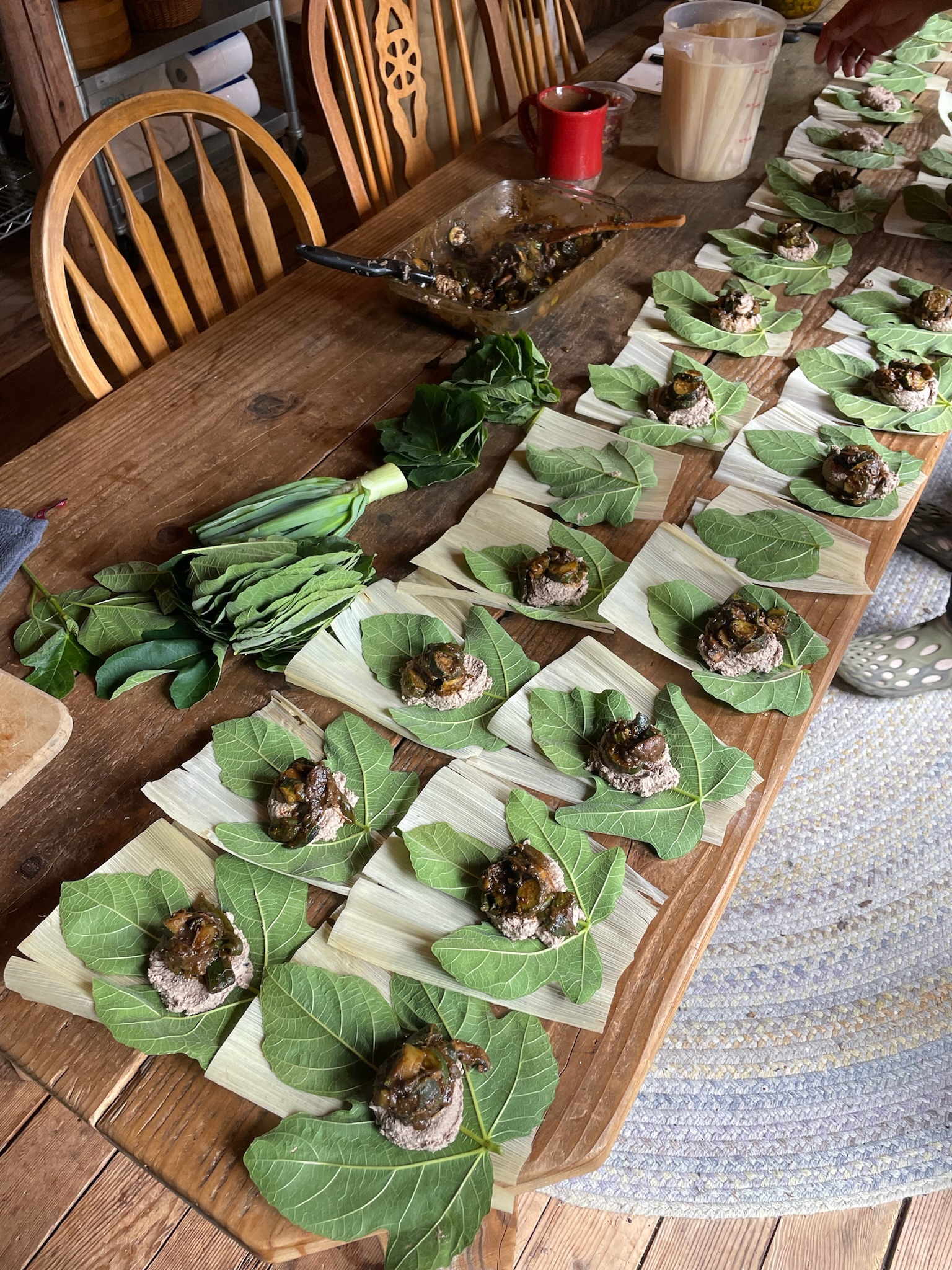
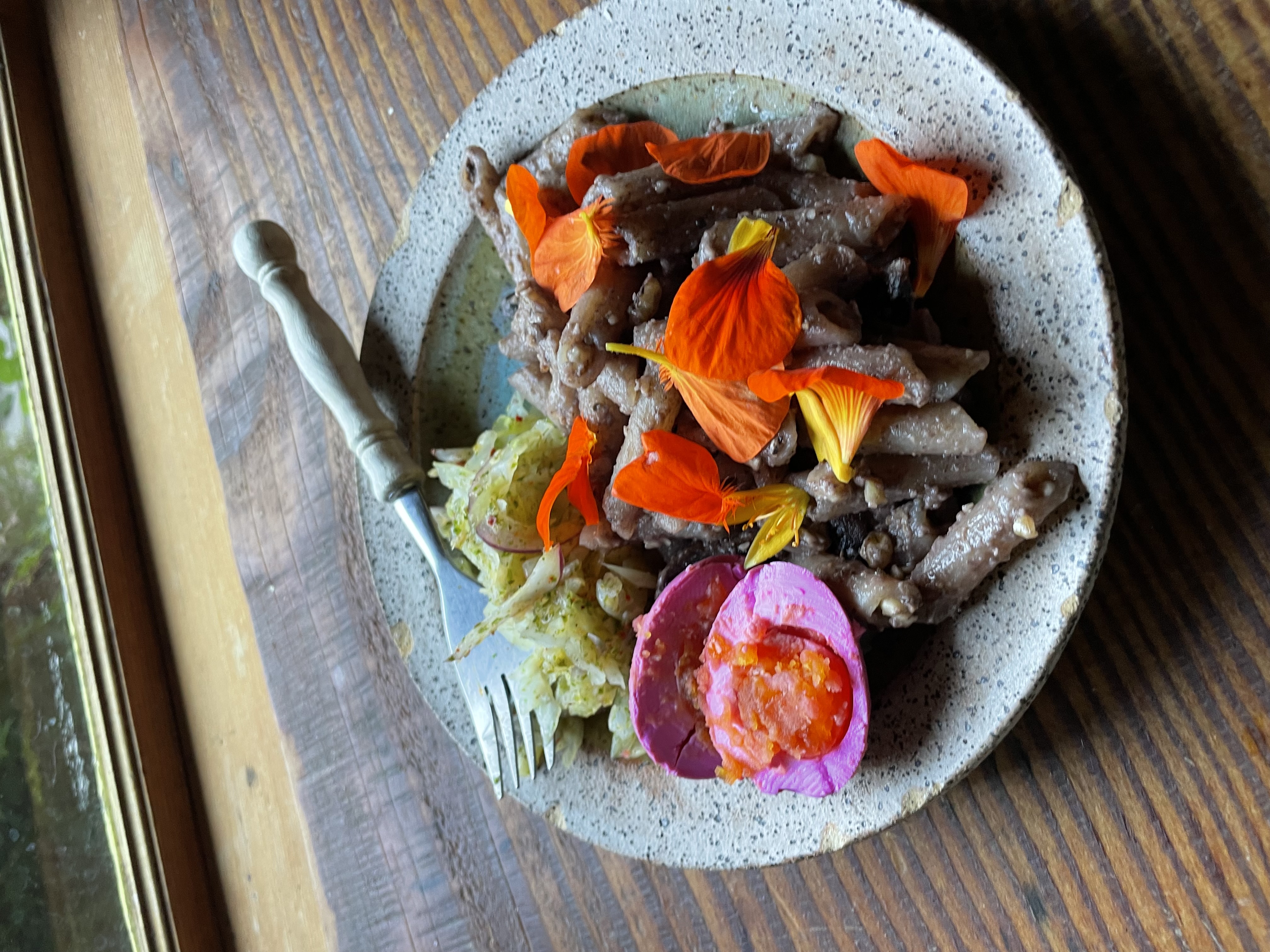
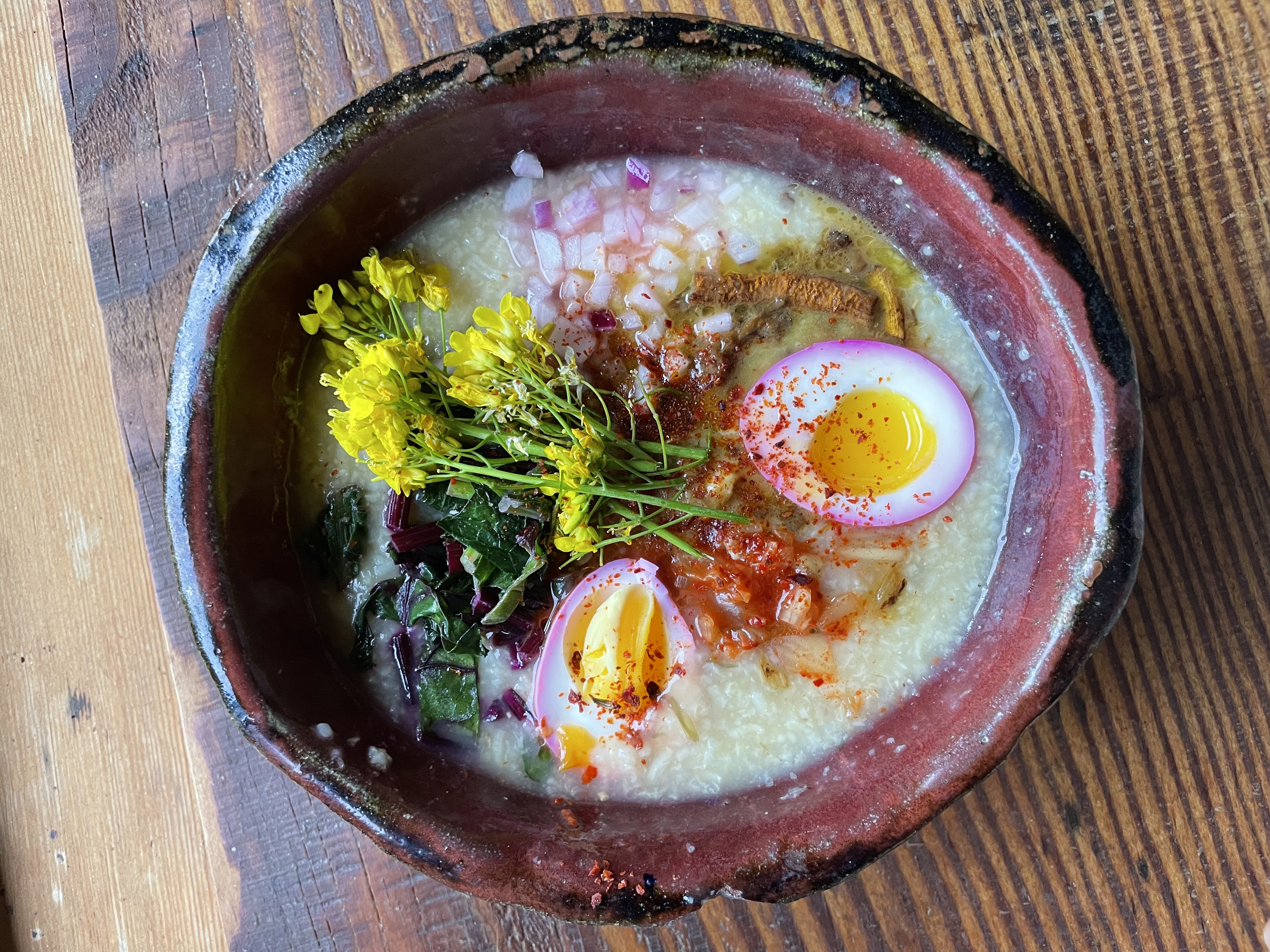
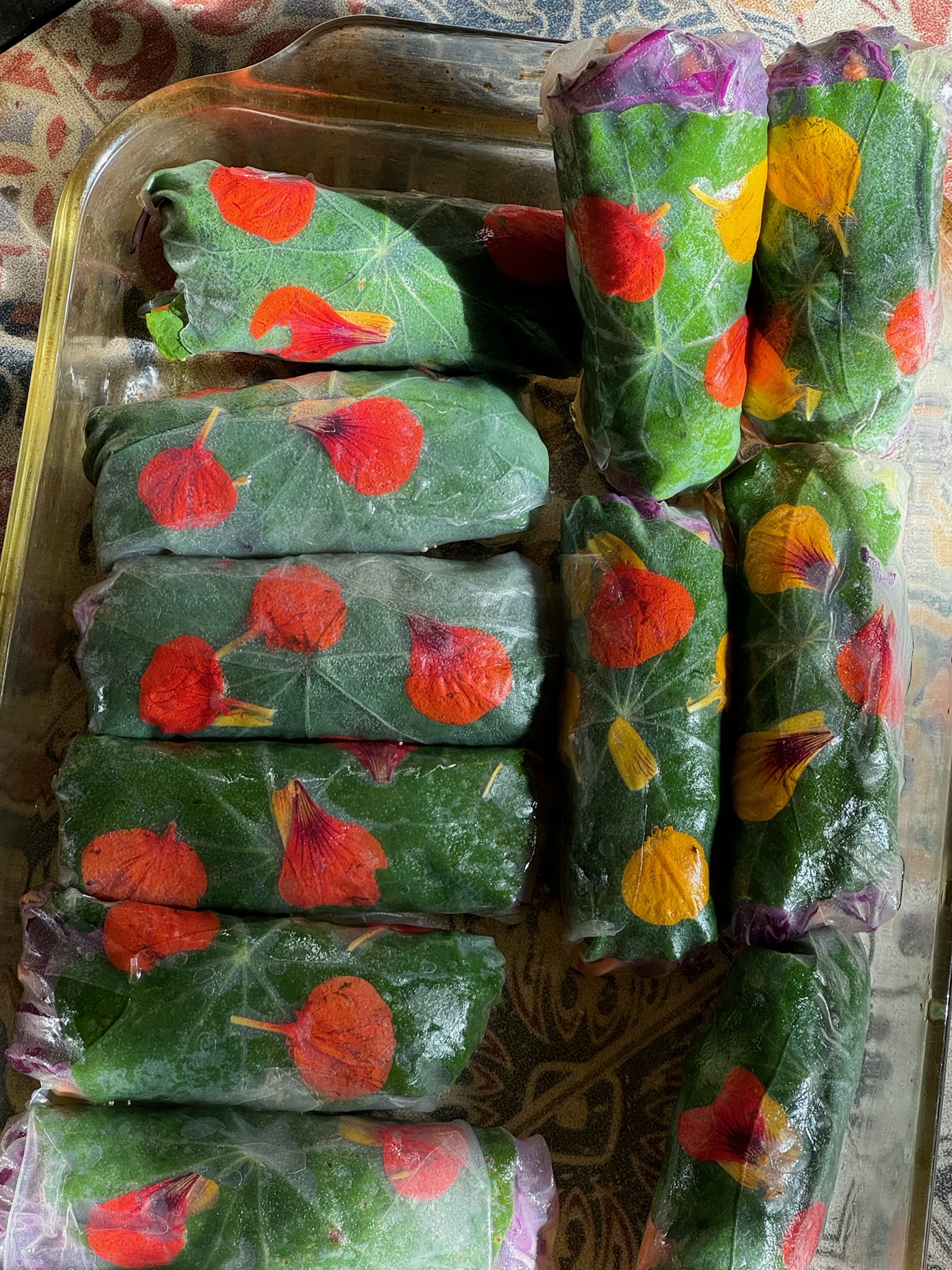
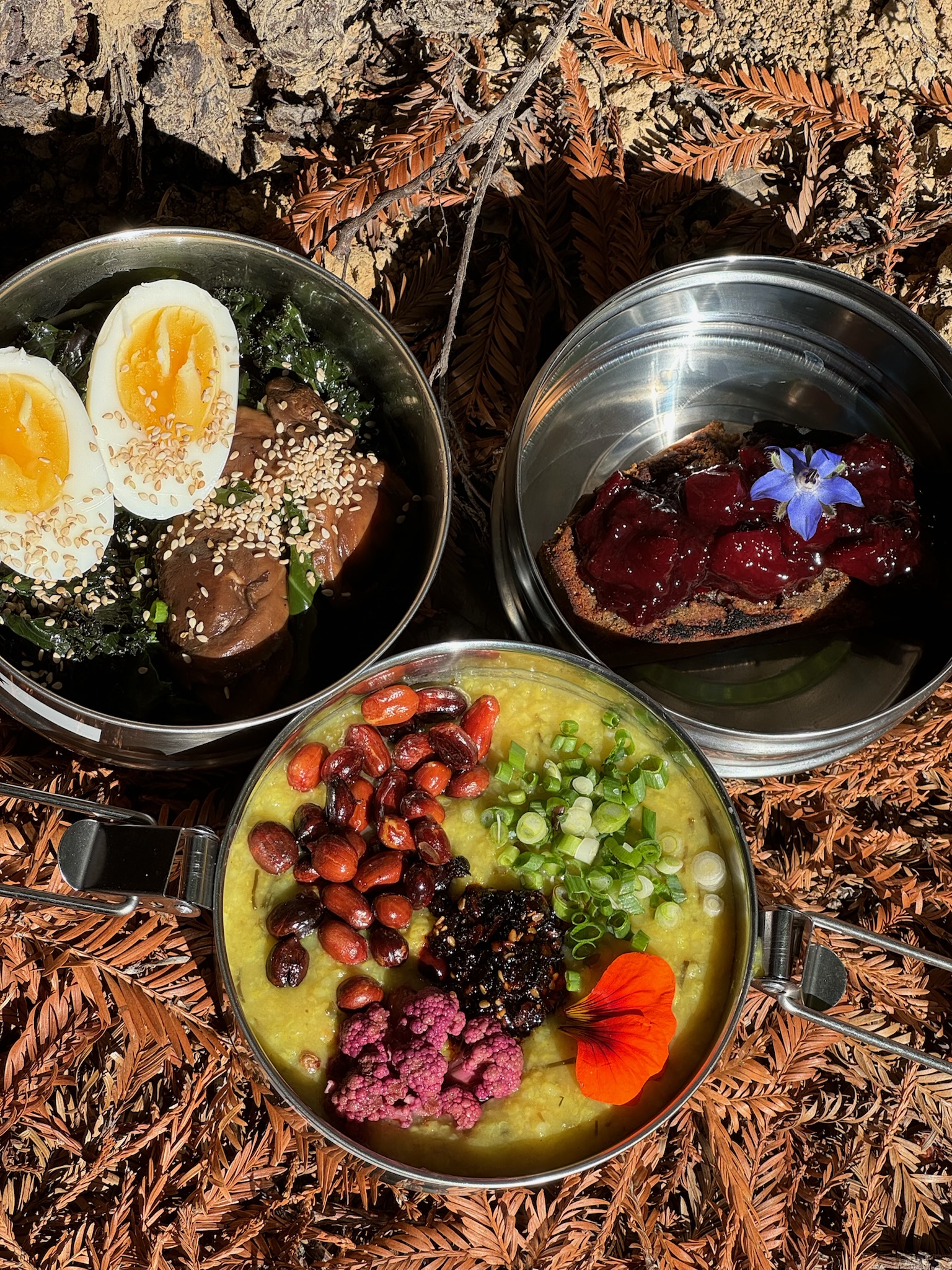
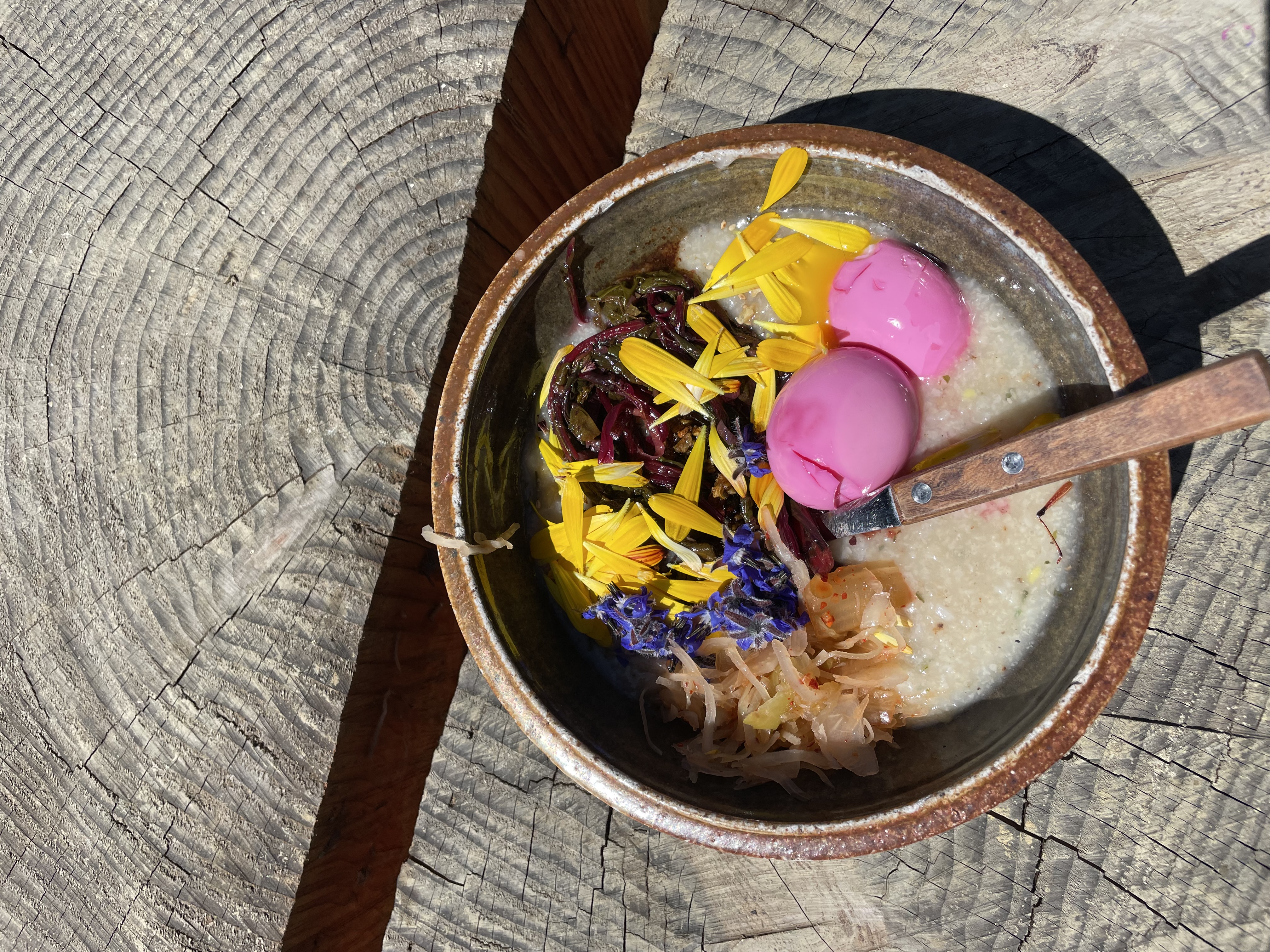
Through the SCF food program SLUGS (Succulent Luscious Unctuous Gastronomies in Season), Gerardo Gonzalez has developed a seasonal, plant-forward kitchen that emphasizes zero waste, preservation, and foraging—nourishing both residents and guests with meals that are intimate, ephemeral, and deeply connected to place. Much like movement, cooking becomes a ritual of attention: to the body, the environment, and the shared moment.
In this workshop, Gerardo will guide participants in a collaborative cooking process grounded in seasonal ingredients and site-specificity. Together, we will explore food as a daily practice of care, presence, and creativity—challenging the boundaries between chef and guest, nourishment and expression, kitchen and landscape.
Teachers
Gerardo Gonzalez is a chef, creative director, and founder of the SLUGS food program at Salmon Creek Farm, a regeneratively stewarded artist commune nestled in the redwood forests of the Northern California coast. Inspired by communal traditions, the ecology of the forest, and the rhythms of the land, Gerardo’s cooking practice explores food as a sensory, creative, and relational act.
Gerardo Gonzalez is a chef, creative director, and founder of the SLUGS food program at Salmon Creek Farm, a regeneratively stewarded artist commune nestled in the redwood forests of the Northern California coast. Inspired by communal traditions, the ecology of the forest, and the rhythms of the land, Gerardo’s cooking practice explores food as a sensory, creative, and relational act.
Fall Session
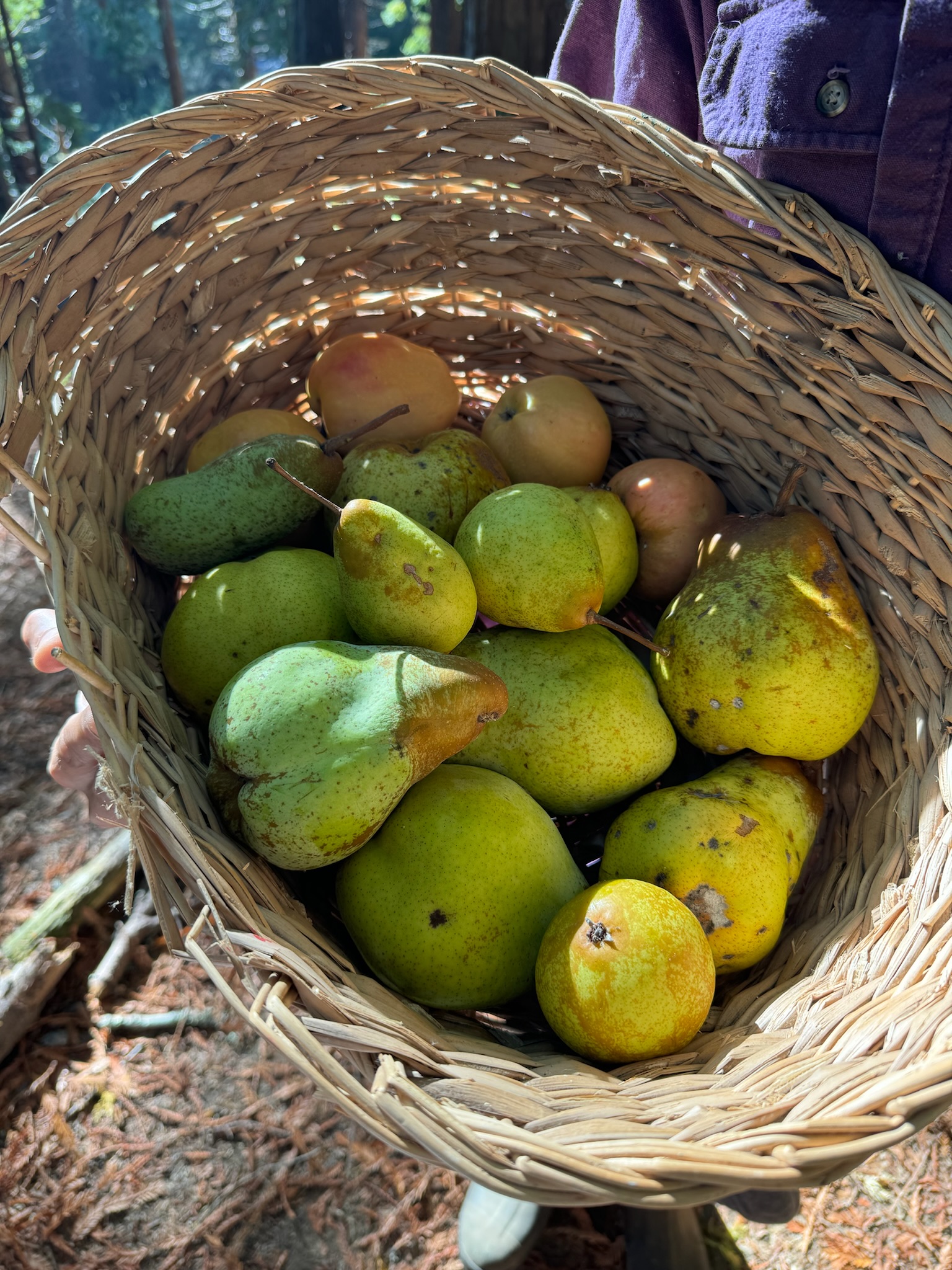
- Apple harvest, cooking, and pressing.
- Apple cider vinegar making.
- Mushroom foraging with the first rains.
- Techniques in fermenting and kraut-making.
- Celebrating the season's turn, hearty cooking, and the bounty of fall abundance.
- Preserving the last of the garden harvest.




Daily Schedule
Each day is designed to weave together foundational techniques, collaborative cooking, and spaciousness for creativity, rest, and fun. Activities will rotate between garden harvests, kitchen projects, field trips with local orgs, and community events.
- Morning Session (9am–12pm): Harvesting, field trips, cooking skills, fermentation/preservation workshops
- Midday Session (1–3pm): Menu planning, group activities, volunteer systems, class time
- Afternoon Session (4:30–7pm): Dinner prep, morning meal setup, table setting, ambiance
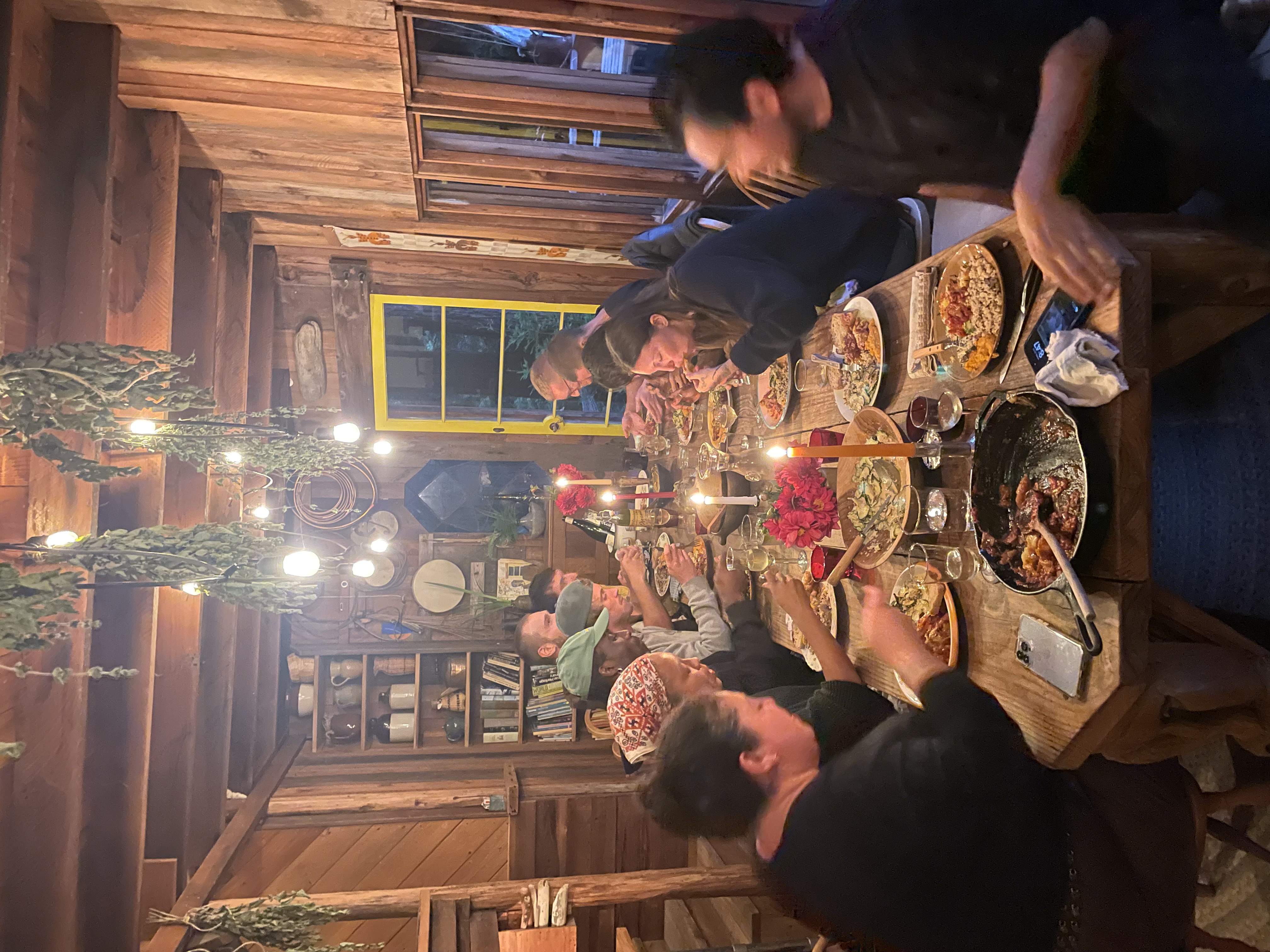
- Dinner & Clean-up (7–9pm): Shared meal, communal clean-up
Each day is designed to weave together foundational techniques, collaborative cooking, and spaciousness for creativity, rest, and fun. Activities will rotate between garden harvests, kitchen projects, field trips with local orgs, and community events.
Culminating Project: A Shared Table
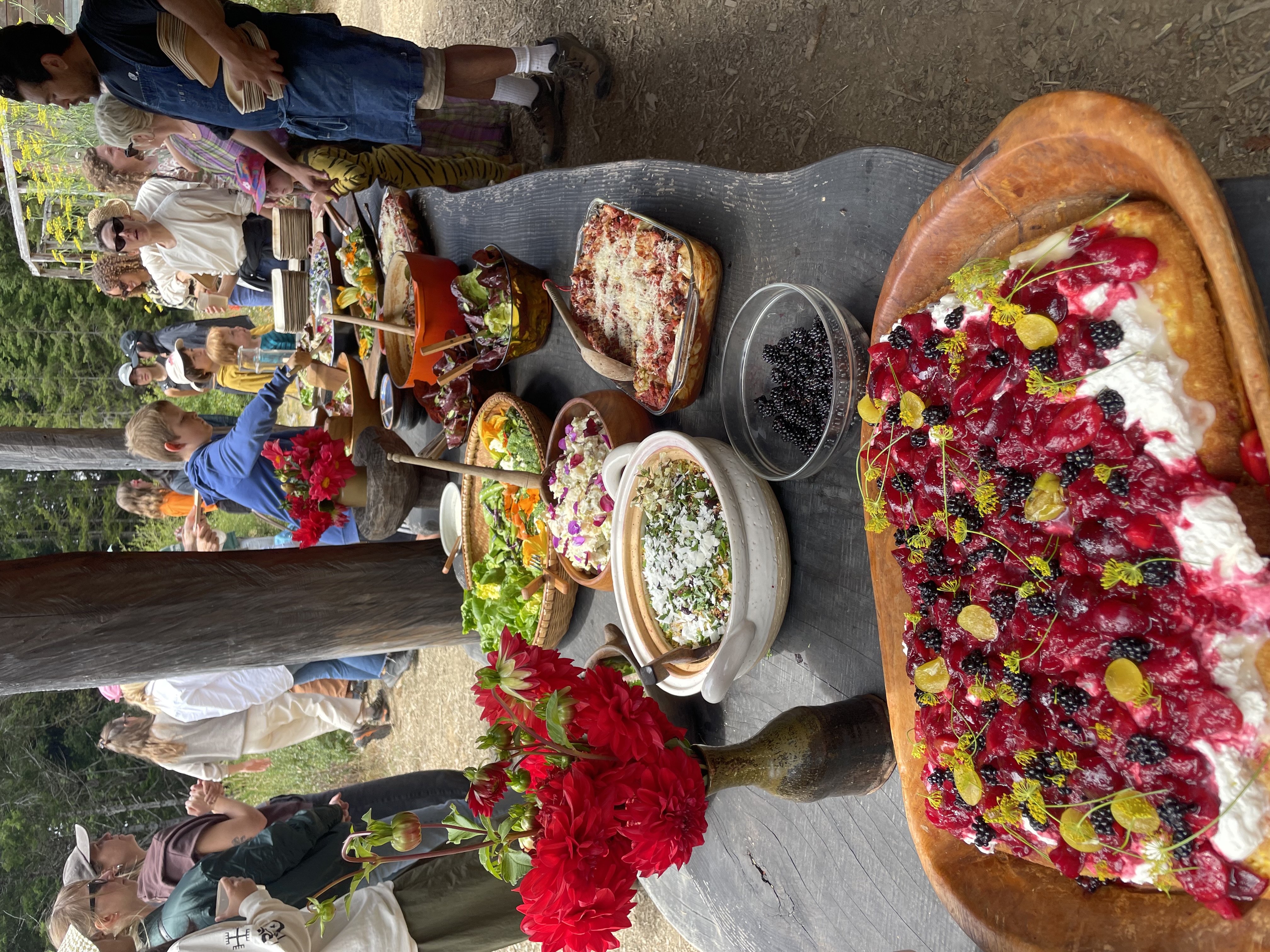
We will also plan and execute a large-format communal meal, held off-site and open to the broader community. This culminating event will be the container for everything we’ve explored: seasonal cooking, intentional sourcing, team systems, and hospitality grounded in care.
Over the week, participants will learn how to scale recipes, organize kitchen operations, and simplify while still creating impact—developing the skills to cook for and with others on a larger scale. We’ll explore what it means to create access to nourishing food through an economy of reciprocity, and how to host meals that are both sustainable and joyful.
We will also plan and execute a large-format communal meal, held off-site and open to the broader community. This culminating event will be the container for everything we’ve explored: seasonal cooking, intentional sourcing, team systems, and hospitality grounded in care.
Over the week, participants will learn how to scale recipes, organize kitchen operations, and simplify while still creating impact—developing the skills to cook for and with others on a larger scale. We’ll explore what it means to create access to nourishing food through an economy of reciprocity, and how to host meals that are both sustainable and joyful.
Visit Staying at Salmon Creek, Life with the Land, and the Workshop pages for the rest of the details before applying.